Mandala
First Impressions: A Design with Depth and Versatility
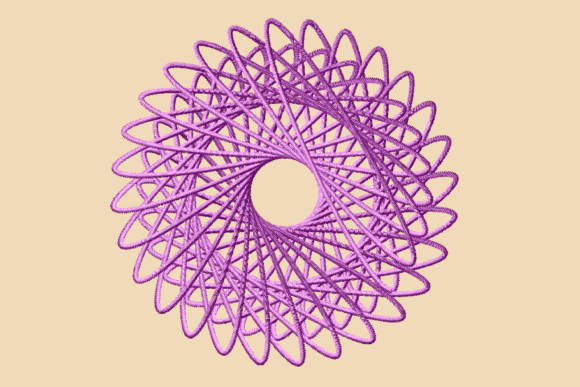
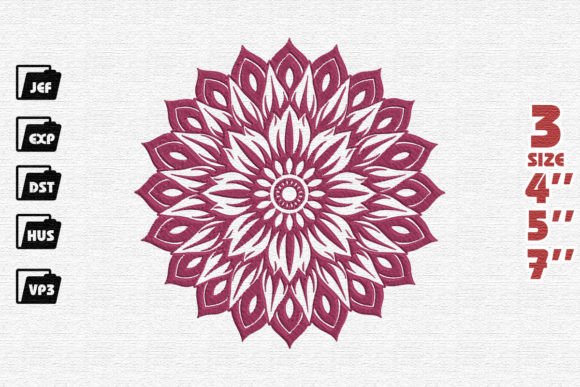
The Mandala design immediately stands out for its intricate, symmetrical patterns and bold contrast. It feels both professional and artistic, offering a balance between modern and classic aesthetics. As an embroidery designer, I see potential in its floral motifs and geometric shapes, which can be adapted to various business needs without losing its visual appeal.
Visual Personality: Friendly, Bold, and Timeless
Mandala carries a friendly yet bold presence that makes it suitable for a wide range of small businesses. Its vibrant colors and symmetrical layout suggest a sense of harmony and balance, making it ideal for branding that wants to convey both creativity and reliability. The design’s floral elements add a touch of elegance, while the geometric shapes bring a modern edge. This blend makes it versatile enough to fit into both rustic and premium brand identities.
Real Business Use: From Patches to Tote Bags
Mandala is well-suited for a variety of commercial embroidery applications. As an embroidered patch, it can serve as a unique brand identifier or customer gift. On staff uniforms, it adds a stylish accent without overwhelming the overall look. For apron embroidery, it brings a decorative element that complements the functional nature of the product. Similarly, it works well on cap embroidery, where its boldness can make a statement without being too busy.
The design also lends itself to tote bag design, where it can act as a subtle but eye-catching detail. In custom apparel like work shirts or branded merchandise, Mandala offers a refined touch that elevates the product’s value. It can even be used as an accent on product packaging or as a branding asset for Etsy sellers and handmade brands looking to stand out in a competitive market.
Where to Use Carefully: Details Matter
While Mandala is visually striking, it requires careful consideration when applied to certain surfaces or sizes. Its high stitch density and detailed outlines may not translate well to small patches** or curved surfaces, where clarity and legibility are key. The design’s intricate details could also become lost on fabric with a textured surface, so testing on real material is essential.
Additionally, the bold colors and contrasting threads may not always provide sufficient visibility on dark uniforms or fabrics. It’s important to review thread color contrast before production and consider using a stabilizer** to ensure the design remains crisp and intact during stitching. For small businesses aiming for consistency, it’s wise to test Mandala at full scale and in black and white first to assess how it performs under different conditions.
Impact on Brand Identity and Customer Trust
Using Mandala in your brand identity can help create a cohesive visual language that resonates with your audience. Its intricate patterns and balanced composition signal attention to detail and quality craftsmanship, which can enhance customer trust. For small businesses, this can mean a stronger connection with customers who value both aesthetics and authenticity.
The design’s versatility allows for consistent use across multiple products, reinforcing brand recognition. Whether it’s on a handmade product, a custom apparel item, or a printable mockup**, Mandala helps maintain a unified look that supports long-term brand growth. Its ability to adapt to different formats and sizes also ensures that your brand remains relevant across various platforms and marketing channels.
Practical Notes for Embroidery Designers
As an embroidery designer, I recommend several steps before implementing Mandala in a commercial project. First, test the design in black and white to assess its clarity and structure. Check if it works at small patch size and ensure that the hoop size accommodates the design without distortion.
Review the thread colors for optimal contrast and consider how they interact with different fabric types. Inspect the spacing and alignment to avoid overcrowding or imbalance. Always test the design on real fabric to gauge how it performs under actual conditions. Using the right stabilizer is crucial to prevent puckering or distortion during stitching.
Create a printable mockup** for client approval and compare the design alongside other design assets** to ensure visual consistency. Finally, confirm that you have the appropriate commercial licensing** for the design before proceeding with production. These steps will help ensure that Mandala delivers the desired impact in your finished product**.
Conclusion: A Versatile Asset for Small Business Merch
Mandala is more than just an embroidery design—it’s a powerful tool for small business owners looking to elevate their small business merch** and custom apparel**. Its intricate patterns, bold colors, and balanced composition make it a versatile choice for a wide range of applications, from patches and caps to tote bags and aprons.
With proper planning and execution, Mandala can become a key component of your brand identity** and a valuable addition to your design assets**. By following best practices and considering the practical aspects of embroidery, you can ensure that this design enhances your product value and customer engagement in meaningful ways.
🔗 You Might Also Like